What is a Mammogram?
Mammography is an X-ray examination of the breast. A mammogram is the resulting image. This test can detect changes such as small lumps, calcifications, or other abnormalities that may not yet be felt. Screening mammograms typically involve two or more images of each breast.
Why Mammograms are important
Breast cancer is the third most common cancer in Zimbabwe. Early detection plays a crucial role in identifying changes in the breast at a stage when treatment is often more effective. Research shows that regular mammograms in women aged 40–69 can reduce deaths from breast cancer by about one third.
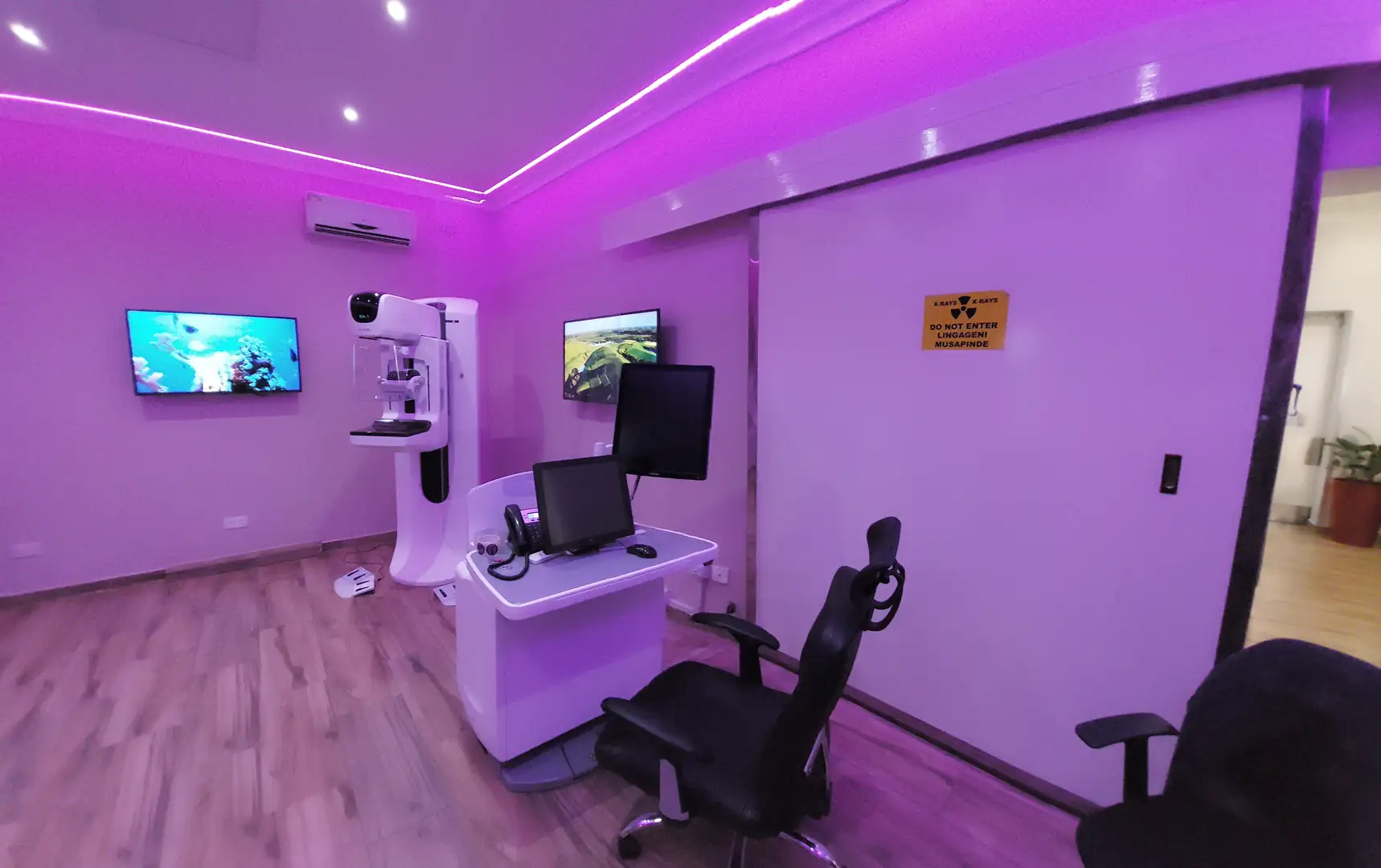
What to expect during a Mammogram at MIC Women’s Imaging in Zimbabwe?
- You will be given a gown and can change in a private area.
- Only you and a trained technician will be in the room during the procedure.
- Each breast is placed between two plastic plates that hold the tissue still while X-ray images are taken.
- Some pressure is applied to ensure clear imaging. This may feel uncomfortable but is usually not painful.
- Several images are taken from different angles for a complete view.
- The entire process generally takes less than one hour.
When should women have Mammograms?
It is recommended that women over the age of 40 have an annual mammogram, regardless of family history or other risk factors. About 80% of women diagnosed with breast cancer have no family history of the disease. Because breast cancers often develop within 18–24 months, yearly screening helps improve detection rates.
How to prepare for a Mammogram
- Avoid wearing deodorant, perfume, powder, or cream on your chest or underarms, as these may affect image quality.
- Wear a blouse with a skirt, shorts, or slacks as you will need to undress above the waist.
- Bring any previous mammogram films with you for comparison.
- If you have sensitive breasts, consider scheduling your mammogram at a time in your cycle when your breasts are less tender.
Types of Mammograms
- 2D Mammography: Traditional X-ray images of the breast.
- 3D Mammography (Tomosynthesis): 3D mammography produces layered images of breast tissue, making it easier to detect small cancers that might otherwise be hidden. Studies indicate that this technique identifies more cancers than traditional 2D mammography while reducing false-positive results.
Possible warning signs of Breast Cancer
While mammograms can detect changes before symptoms appear, it is important to be aware of potential warning signs, such as:
- Changes in the size or shape of the breast
- Discharge from the nipple
- Changes in skin color or texture on the breast or areola
If you experience any of these signs, consult your doctor promptly.
FAQ’s
Which doctors do mammograms?
- Radiographers typically perform the imaging; positioning and taking the X-rays.
- Radiologists then interpret the images.
Mammogram services are available across both private clinics and specialist radiology centers like MIC Women’s Imaging in Zimbabwe
At what age should women start having mammograms?
Guidelines vary, but many recommend regular screenings starting from age 40 or earlier if at higher risk.
Why start at age 40?
Research shows that cancers can develop within 18–24 months, so yearly mammograms from age 40 help detect them earlier.
Are mammograms painful?
Most women experience some pressure or mild discomfort during the exam, but it should not be painful.
How long does it take?
The test typically takes less than one hour from start to finish.
How often should mammograms be done?
This depends on risk factors. Some women may need annual screening, while others may need it less frequently.
What is the difference between 2D and 3D mammograms?
2D mammograms provide flat images of the breast. 3D mammography takes multiple images from different angles, giving a clearer, layered view.
Can I have a mammogram if I have no family history?
Yes. Most women diagnosed with breast cancer do not have a family history. Annual mammograms are still recommended after age 40.
What if I have dense breast tissue?
Dense tissue can make mammograms harder to read. 3D mammography is especially helpful in these cases.
In closing, Mammograms are an important screening tool, but they are only one part of breast health. If you notice any changes in your breasts, always consult a healthcare professional for guidance. There are many facilities that provide mammogram services in Zimbabwe, such as MIC Women’s Imaging.
Please feel free to reach out to us to assist in booking an appointment.